|
|
Busójárás - Mohács
Busójárás
|
-
Jelenleg 0.00/5
- 1
- 2
- 3
- 4
- 5
Értékelés: 0.0 az 0 votes
|
|
|
|
|
Leírás
A mohácsi busójárás: tél végi álarcos karnevál
Busó festivities at Mohács: masked end-of-winter carnival custom
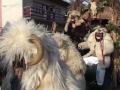
UNESCO: Representative List of the Intangible Cultural Heritage of Humanity - 2009 URL: www.unesco.org Description: The Busó festivities at Mohács in southern Hungary are a six-day carnival in late February to mark the end of winter, named for the ''busós,'' frightening-looking costumed people (traditionally men) wearing wooden masks and big woolly cloaks. The festival is multifaceted, including a childrens costume contest, a display of the art of mask carvers and other craftspeople, the arrival of more than 500 busós in rowboats on the Danube for a march through the city alongside horse-drawn or motorized fantasy vehicles, the burning of a coffin symbolizing winter on a bonfire in the central square, and feasts and music throughout the city. The tradition originated with the Croatian minority in Mohács, but today the busó is a general emblem of the city and a commemoration of the great events of its history. More than a social event, the carnival is an expression of belonging to a city, a social groupand a nation. It plays an important social role by offering a chance for self-expression in a communal setting. The arts underlying the festivities are preserved by self-organized groups of busós of all cultural backgrounds, many of whom pass on the techniques of mask carving and ritual celebration to younger generations. Country(ies): Hungary © 2008 by European Folklore Institute
|
Cimkék
|
|